_496.jpg "How does Powder Coat work?")
Powder Coating (or powder coating) is a solvent-free industrial painting technique that uses thermosetting powder to coat and protect metal (and sometimes non-metallic) surfaces. It is a popular method for its strength, durability, and low environmental impact.
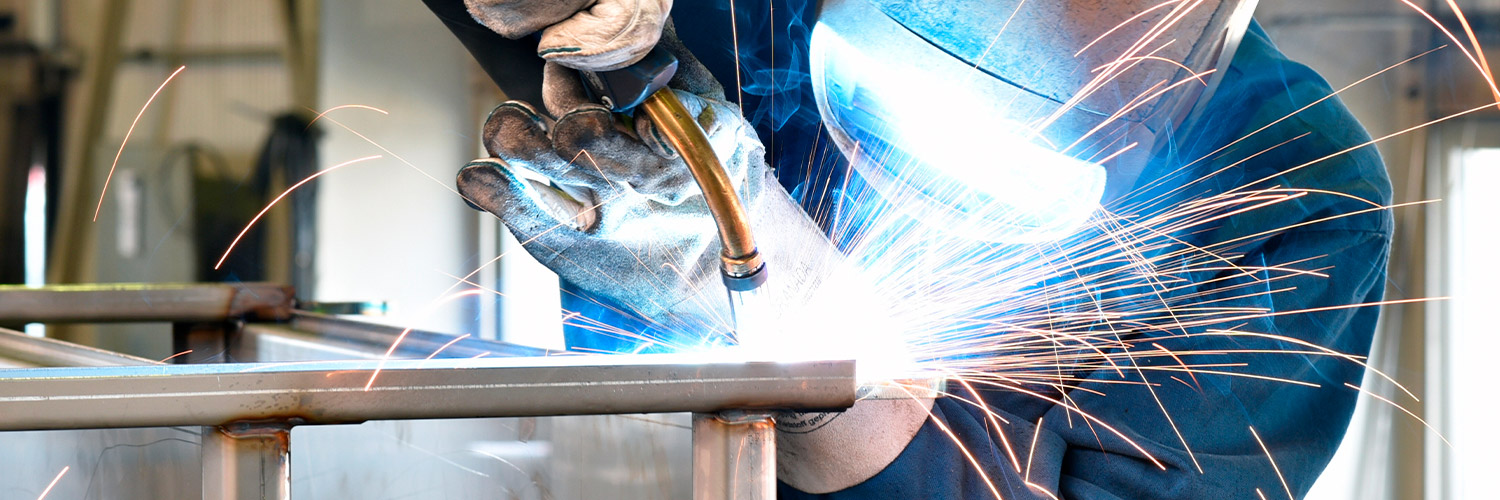
Before application, the surface is carefully prepared to ensure optimal adhesion:
Chemical degreasing or cleaning.
Mechanical stripping (sandblasting or shotblasting) to remove rust or residue.
Sometimes, phosphating is applied to improve adhesion and corrosion protection.
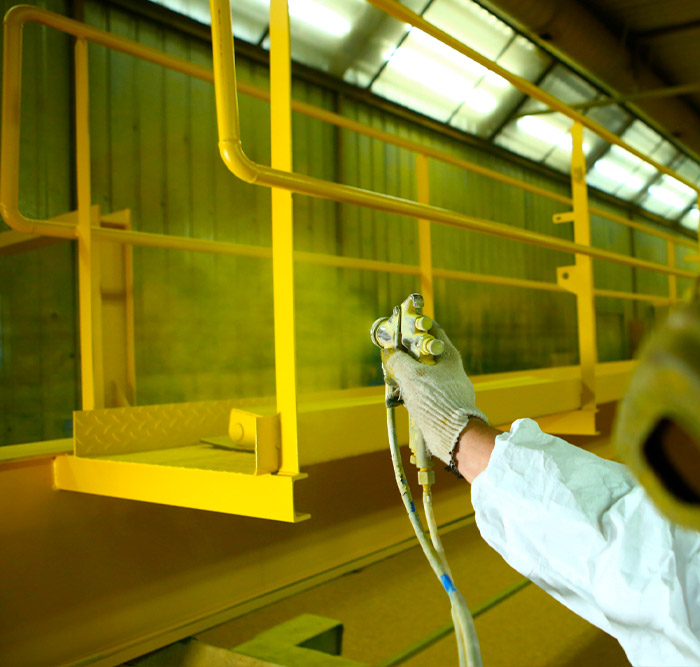
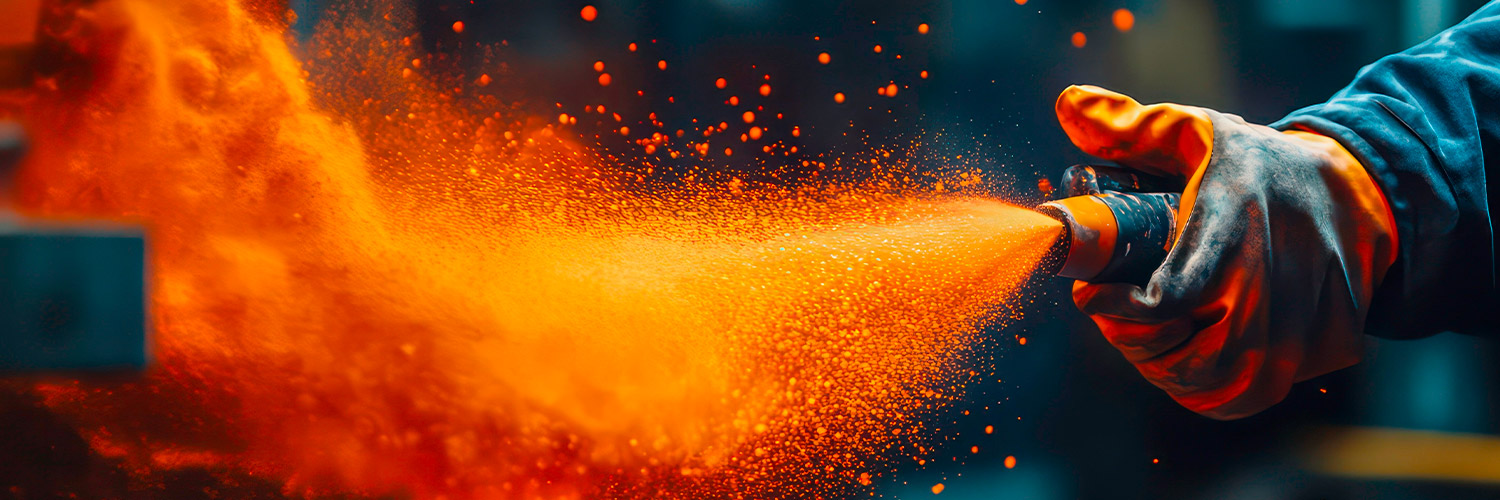
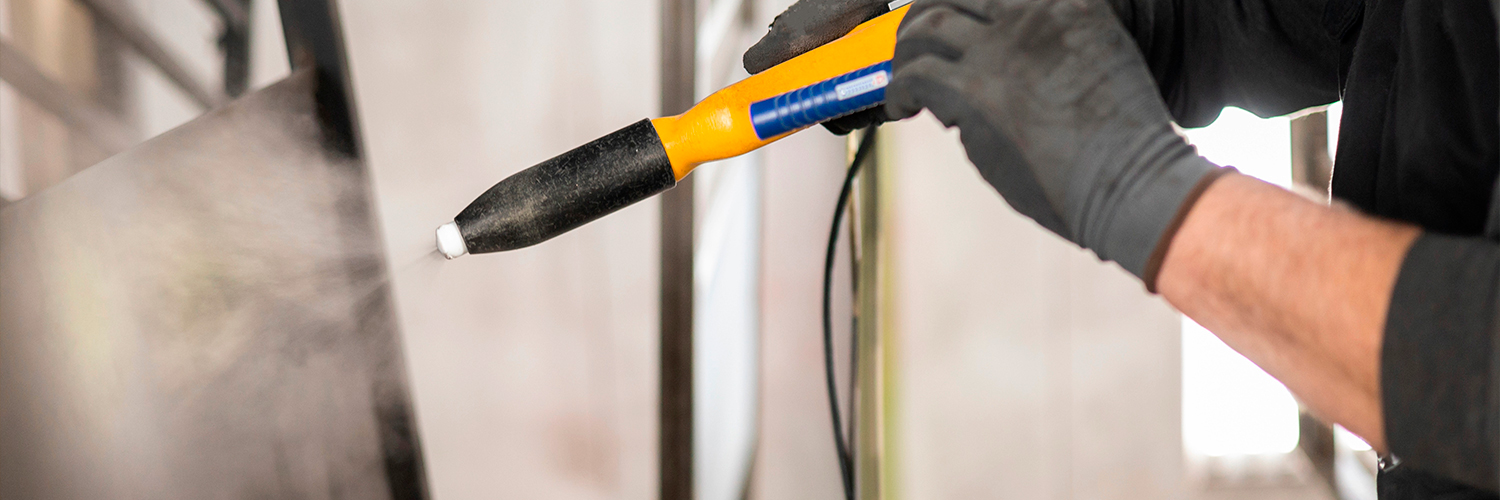
The powder, composed of resins (polyester, epoxy, etc.) and pigments, is charged electrostatically using a spray gun.
The part is grounded, which attracts the particles of powder like a magnet.
This allows for even application, even into nooks and crannies.
The painted piece is then placed in an industrial oven at approximately 160 to 200°C.
The powder melts, spreads, and then polymerizes to form a homogeneous, hard, and resistant film.
High resistance: to wear, impact, UV, and chemicals.
No solvent emissions (VOCs): environmentally friendly.
Varied aesthetic appearance: matte, satin, glossy, textured, metallic, etc.
Recovery of unused powder possible: savings and waste reduction.